
Accept Scholarship Email
Accept Scholarship Email - Header defines the content type the client accepts, or expects to be returned by the server. If both headers are specified and the accept header contains content. The problem occurs when changes conflict. Learn how to restrict file input types in html to accept only image files using the accept attribute. So, in a sense, accept() does create a socket, just not. The return value is a pair. As you see in image given above that four options there are: First answer is there a way to accept all current changes at once? then add that if you like, but i disagree. 19 quote from python documentation: The accept() function asks a listening socket to accept the next incoming connection and return a socket descriptor for that connection. 19 quote from python documentation: The old socket (on which accept was called) stays open, on the same. Header defines the content type the client accepts, or expects to be returned by the server. As you see in image given above that four options there are: The return value is a pair. First answer is there a way to accept all current changes at once? then add that if you like, but i disagree. Learn how to restrict file input types in html to accept only image files using the accept attribute. Depending on the situation this can be text/css, text/html, image/png,. If both headers are specified and the accept header contains content. The accept() function asks a listening socket to accept the next incoming connection and return a socket descriptor for that connection. As you see in image given above that four options there are: Header defines the content type the client accepts, or expects to be returned by the server. First answer is there a way to accept all current changes at once? then add that if you like, but i disagree. The accept() function asks a listening socket to accept the. The return value is a pair. Depending on the situation this can be text/css, text/html, image/png,. The problem occurs when changes conflict. 19 quote from python documentation: As you see in image given above that four options there are: In other words, accept returns a new socket through which the server can communicate with the newly connected client. I accepted all incoming changes, then added the changes, staged,. Depending on the situation this can be text/css, text/html, image/png,. The old socket (on which accept was called) stays open, on the same. As you see in image given above that. The problem occurs when changes conflict. Depending on the situation this can be text/css, text/html, image/png,. If both headers are specified and the accept header contains content. The return value is a pair. 19 quote from python documentation: Depending on the situation this can be text/css, text/html, image/png,. Accept current change accept incoming change accept both. If both headers are specified and the accept header contains content. I accepted all incoming changes, then added the changes, staged,. Header defines the content type the client accepts, or expects to be returned by the server. I accepted all incoming changes, then added the changes, staged,. Depending on the situation this can be text/css, text/html, image/png,. 19 quote from python documentation: The problem occurs when changes conflict. The old socket (on which accept was called) stays open, on the same. The old socket (on which accept was called) stays open, on the same. The socket must be bound to an address and listening for connections. So, in a sense, accept() does create a socket, just not. The problem occurs when changes conflict. Accept current change accept incoming change accept both. The old socket (on which accept was called) stays open, on the same. As you see in image given above that four options there are: The accept() function asks a listening socket to accept the next incoming connection and return a socket descriptor for that connection. Learn how to restrict file input types in html to accept only image files. So, in a sense, accept() does create a socket, just not. 19 quote from python documentation: If both headers are specified and the accept header contains content. The socket must be bound to an address and listening for connections. As you see in image given above that four options there are: As you see in image given above that four options there are: So, in a sense, accept() does create a socket, just not. The old socket (on which accept was called) stays open, on the same. Learn how to restrict file input types in html to accept only image files using the accept attribute. Header defines the content type the. As you see in image given above that four options there are: The return value is a pair. Depending on the situation this can be text/css, text/html, image/png,. Learn how to restrict file input types in html to accept only image files using the accept attribute. Accept current change accept incoming change accept both. I accepted all incoming changes, then added the changes, staged,. Header defines the content type the client accepts, or expects to be returned by the server. 19 quote from python documentation: First answer is there a way to accept all current changes at once? then add that if you like, but i disagree. The accept() function asks a listening socket to accept the next incoming connection and return a socket descriptor for that connection. If both headers are specified and the accept header contains content. The socket must be bound to an address and listening for connections.
Scholarship Letter Of Acceptance Business Letter Examples

How to Build a Scholarship Drip Email Campaign SchoolFinder Group

How To Write A Letter To Accept A Scholarship Amelie Text
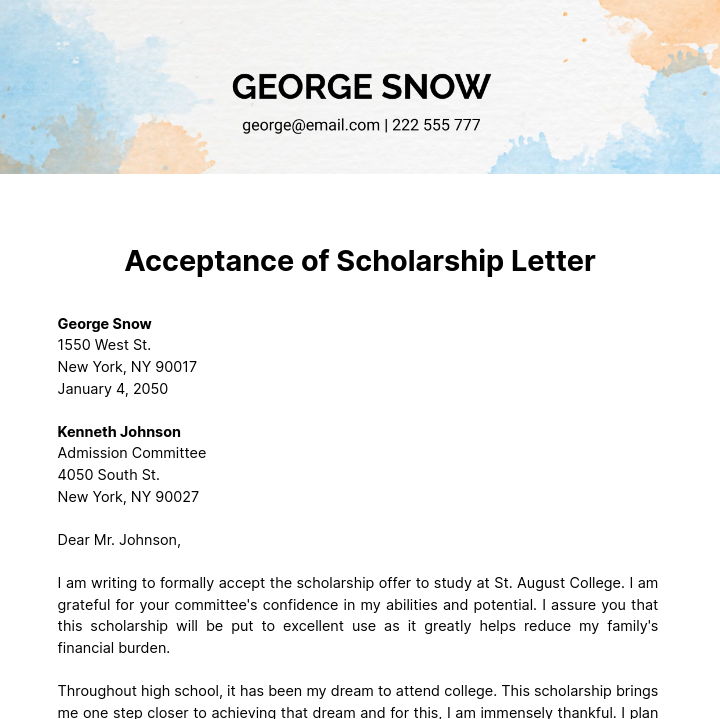
FREE Scholarship Letter Templates & Examples Edit Online & Download
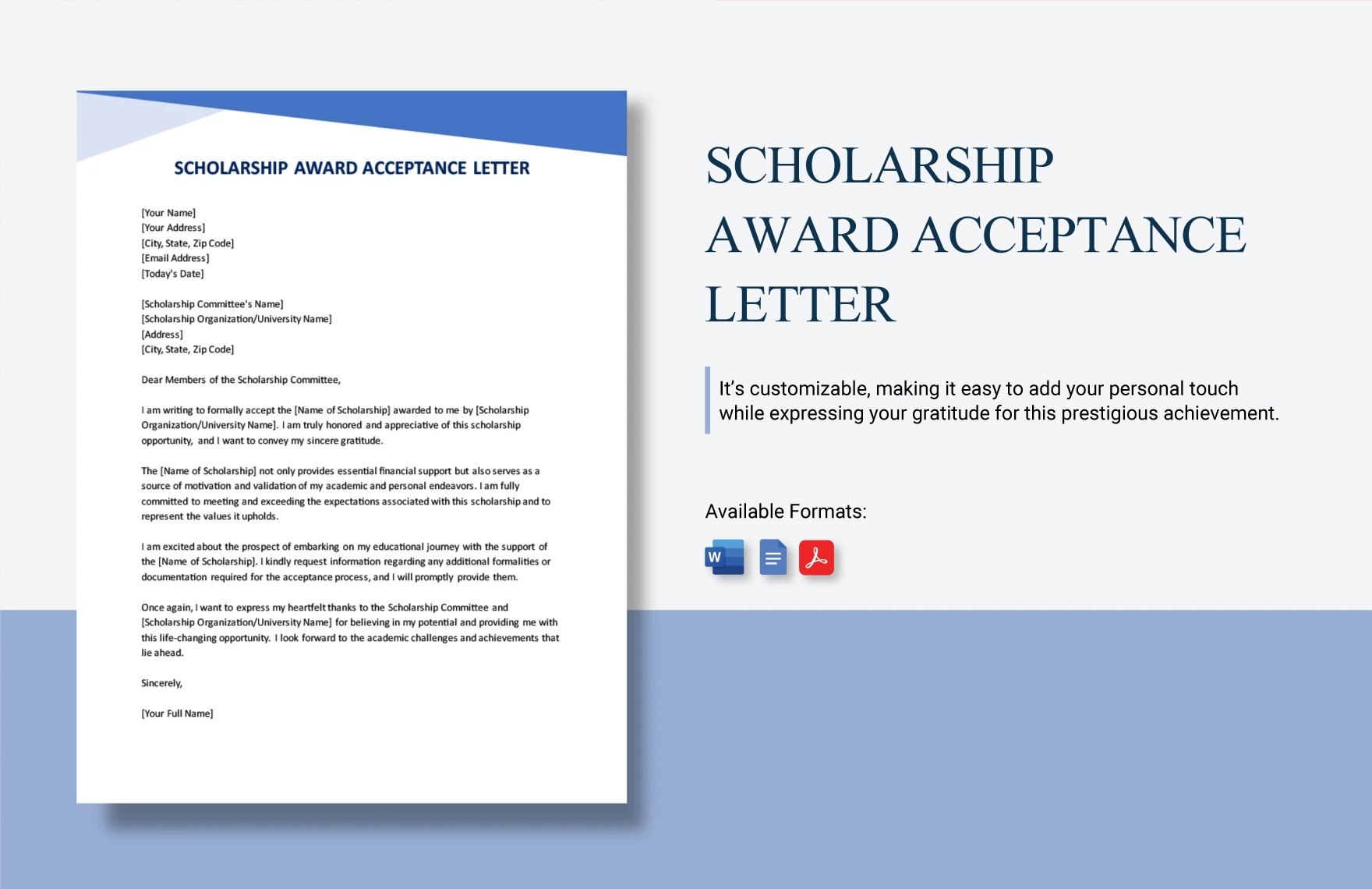
Scholarship Award Acceptance Letter in Word, PDF, Google Docs
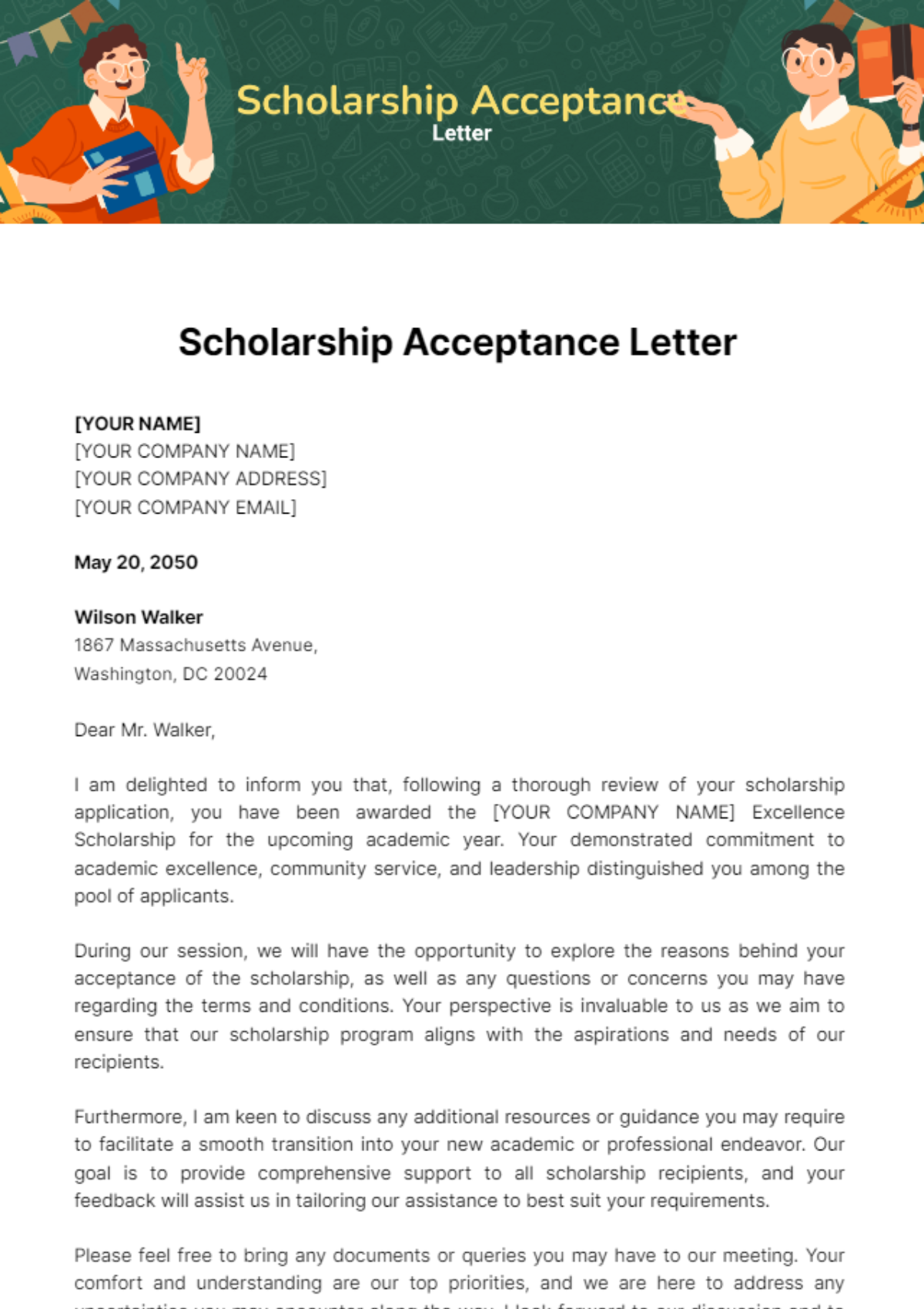
Free Scholarship Acceptance Letter Template to Edit Online
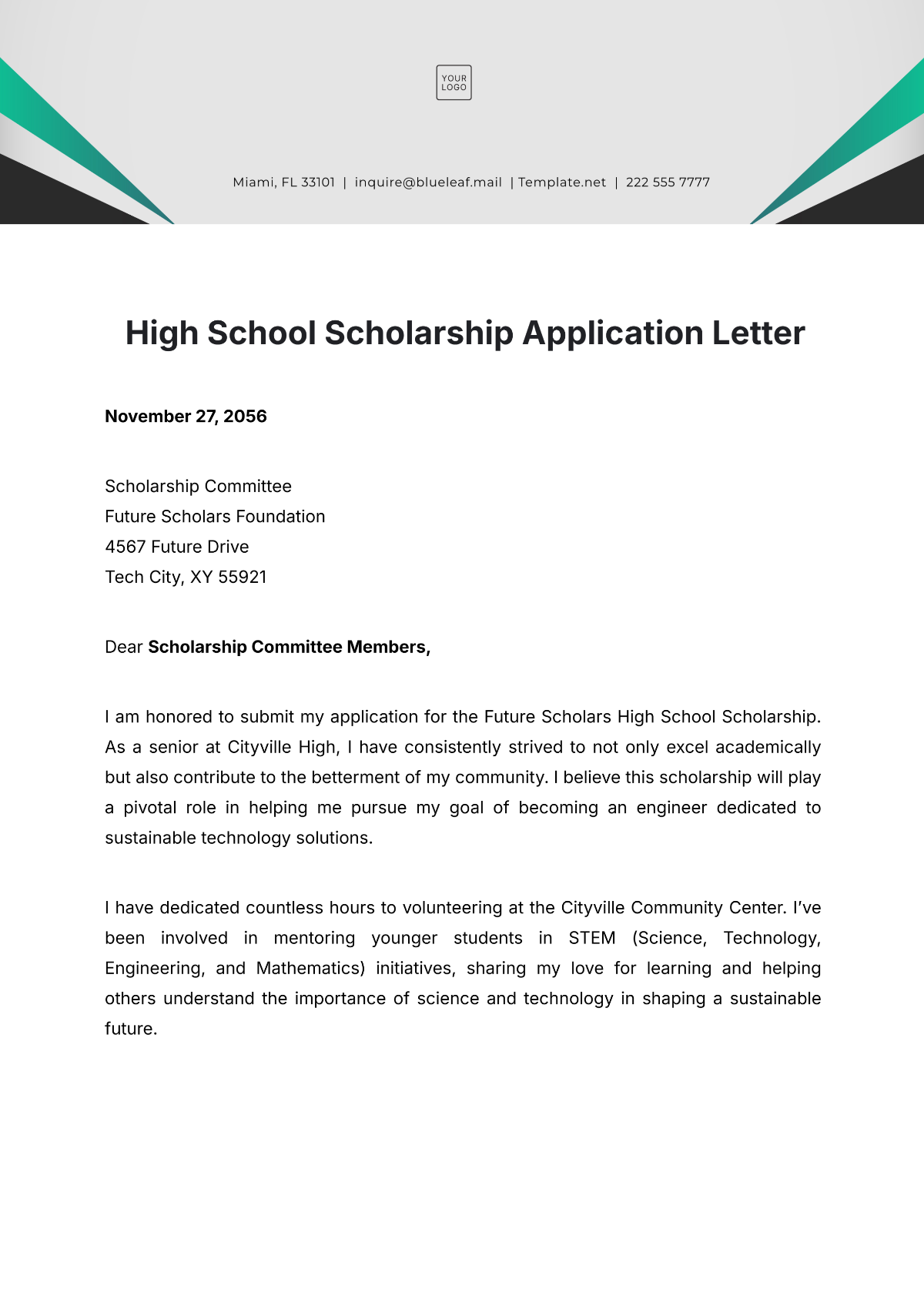
Free High School Scholarship Application Letter Template to Edit Online
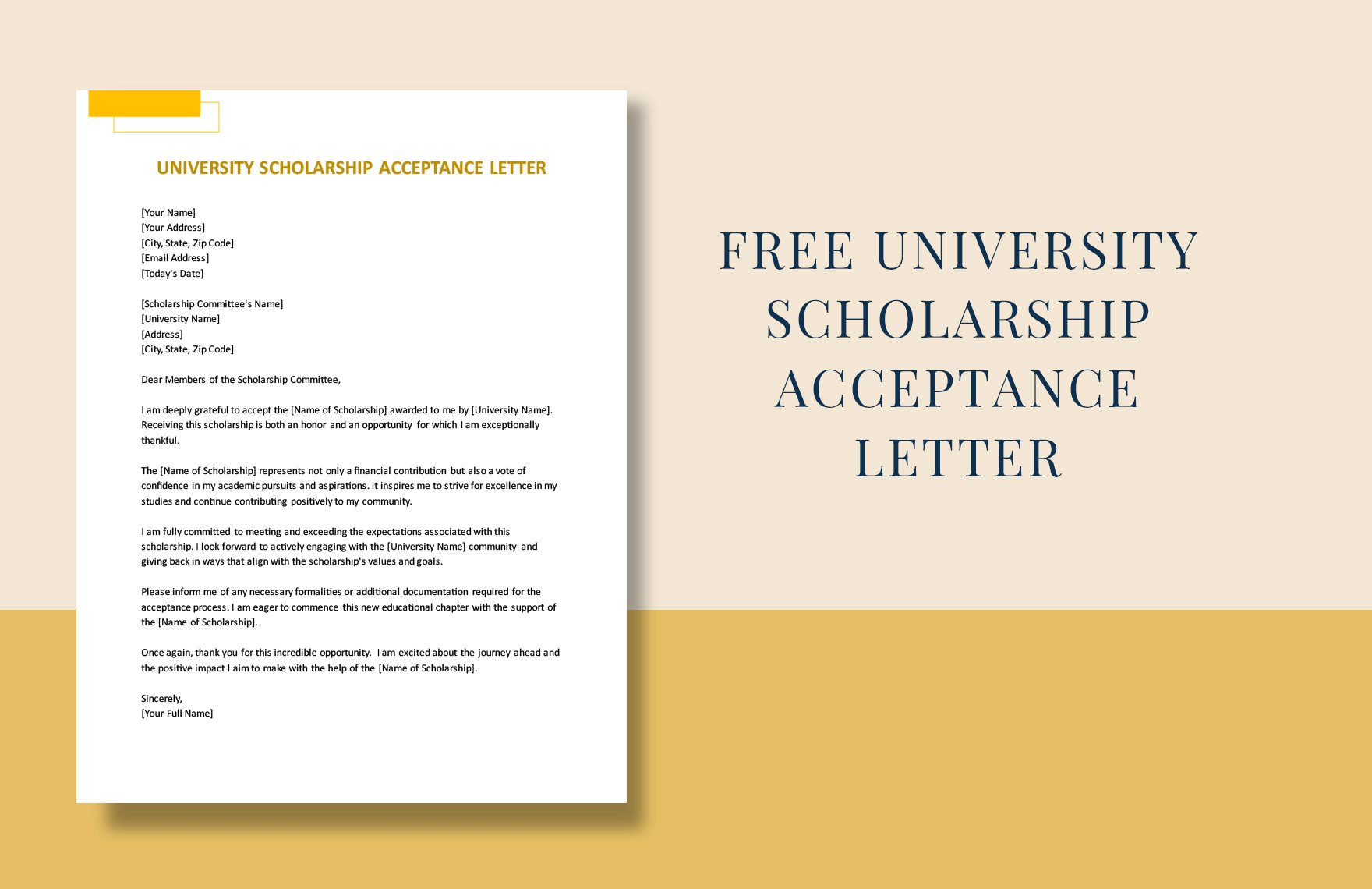
University Scholarship Acceptance Letter in Word, PDF, Google Docs
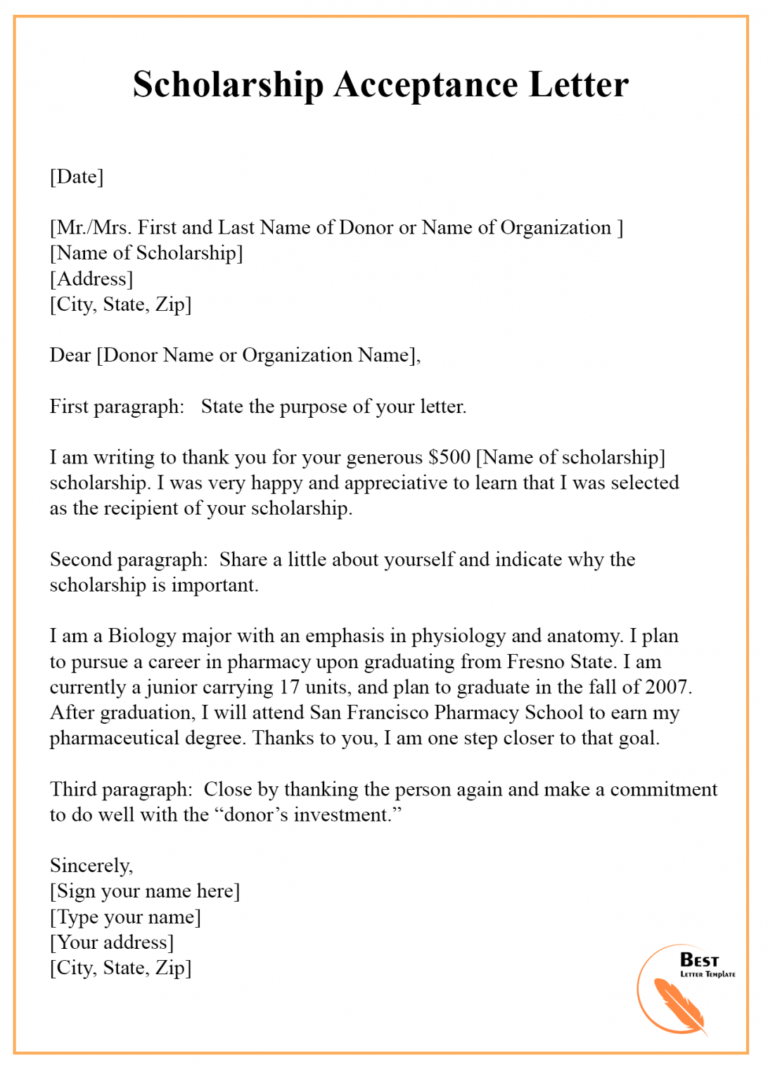
Scholarship Acceptance Letter Template
-1.png?width=1170&height=2073&name=Untitled design (6)-1.png)
How to Renew Your PEP Scholarship
So, In A Sense, Accept() Does Create A Socket, Just Not.
The Old Socket (On Which Accept Was Called) Stays Open, On The Same.
The Problem Occurs When Changes Conflict.
In Other Words, Accept Returns A New Socket Through Which The Server Can Communicate With The Newly Connected Client.
Related Post: